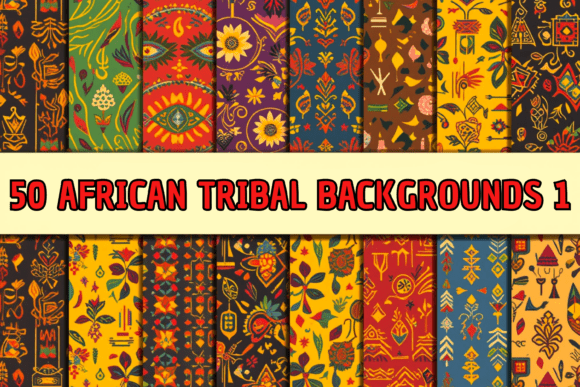
50 African Tribal Backgrounds 1: A Designer's Guide
When you first encounter 50 African Tribal Backgrounds 1, you're not just looking at a collection of patterns; you're meeting a visual language. This isn't a single, static typeface in the traditional sense, but a curated set of design assets that functions with the same strategic weight as a premium font. Think of it as a display font for the visual world—its job is to make an immediate, powerful statement. The collection is a vibrant tapestry of geometric precision, rhythmic repetition, and earthy yet bold color palettes. It draws from the symbolic legacy of textiles like Kente and Mud Cloth, offering designers a direct line to a heritage that speaks of community, status, and storytelling.
The Visual Language and Its Project Fit
The personality of these backgrounds is confident, energetic, and deeply rooted. They carry an inherent brand identity that communicates authenticity and cultural appreciation. This makes them exceptionally versatile for projects that need to stand out with substance. For logo design and packaging design, a subtle pattern overlay or a bold geometric motif can instantly elevate a product, suggesting craftsmanship and a global perspective. In editorial design and web design, these patterns create dynamic headers, section breaks, or background textures that guide the eye and add rhythm to a layout. They are equally at home in social media graphics, where their bold forms capture attention in a crowded feed, or in interior design mockups and textile projects, providing an authentic aesthetic foundation.
However, their strength is their specificity. A busy, high-contrast tribal pattern would overwhelm a lengthy body of text. This is where understanding their role as a creative font alternative is key. Use them for hero sections, accent panels, or large-scale prints where their details can shine. For commercial font pairing, they demand a partner that offers clarity. A clean sans serif font for headlines or a highly readable serif font for body copy can create a necessary visual hierarchy, allowing the pattern to be the star without sacrificing legibility.
Strategic Application and Practical Considerations
Integrating 50 African Tribal Backgrounds 1 into your work is about more than aesthetics; it's about communication. The patterns can influence brand perception by signaling values of tradition, vibrancy, and connection. For an entrepreneur or small business owner, using these backgrounds in marketing materials or a website can foster immediate audience engagement with a culturally rich narrative. The key is consistency. A brand that adopts one or two signature patterns from the set can build strong visual recognition across all touchpoints, from business cards to digital ads.
When selecting from the collection, consider the project's tone. The intricate, symmetrical Kente-inspired weaves convey order and prestige, making them suitable for luxury goods or formal events. The more organic, hand-drawn symbols of Mud Cloth patterns feel artisanal and earthy, perfect for wellness brands, organic products, or boutique hospitality. Always test your chosen pattern at scale and in context. View it on a device screen and, if possible, print a sample. Check how it interacts with your chosen font pairing—does it create a harmonious rhythm or a chaotic clash? Ensure the pattern's color values don't make overlaid text disappear.
Finally, treat these assets with the same diligence as any commercial font. Verify the licensing for your intended use, whether it's for a personal blog or a large-scale commercial campaign. Many high-quality digital pattern sets, available in formats like PNG, JPG, and SVG, come with clear licensing tiers. By thoughtfully integrating 50 African Tribal Backgrounds 1, you're not just decorating; you're employing a powerful design asset that brings history, energy, and a profound sense of place to your creative work, enhancing its professionalism and impact.